Gorica – Powerpoint Template: A Strategic Tool for Clearer Communication and Better Results
When you open a blank presentation, the pressure to produce something polished, coherent, and memorable can stall even experienced professionals. The gap between what you want to communicate and what actually appears on screen often comes down to structure, design consistency, and time. Gorica - Powerpoint Template is designed to close that gap efficiently, but the real value lies not in the template itself—it's in how you use it to support your goals, clarify your message, and improve the decisions you make around visual communication.
This article explores what Gorica offers, why it may be strategically useful for a wide range of professionals, and how to approach it with intention rather than as a quick fix. Whether you're preparing a pitch deck, an internal operations review, or a product launch presentation, understanding the why and how behind your template choice can transform a routine slideshow into a tool that drives better outcomes.
What Gorica - Powerpoint Template Is and Why It Matters
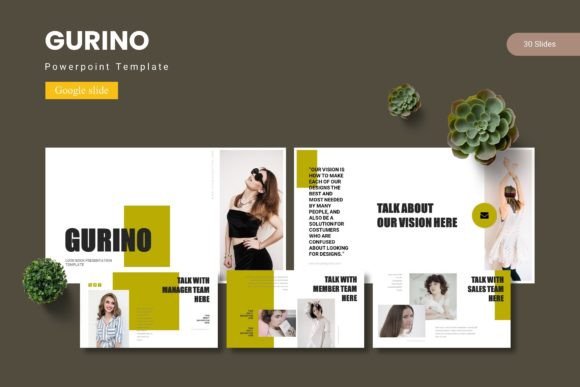
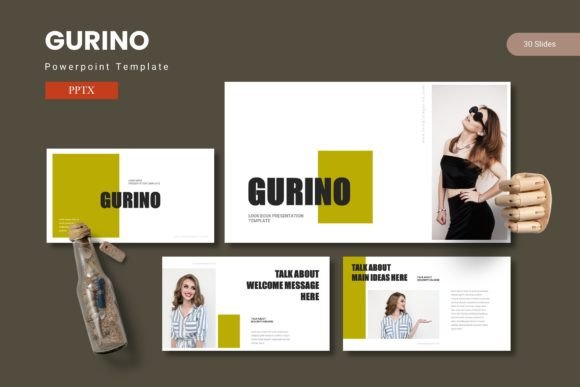
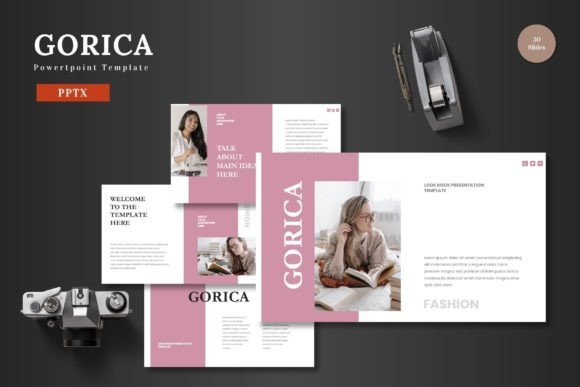
At its core, Gorica is a multipurpose PowerPoint template built around 150 total slides distributed across five premade color variations, with 30 slides per template. It includes section break slides, handcrafted infographics, pixel-perfect illustrations, and drag-and-drop picture placeholders—all fully editable from within PowerPoint without requiring additional software.
But the strategic value of a template like Gorica goes beyond its feature list. When you're preparing a presentation, the design choices you make affect how your audience processes information. A clean, scalable, and colorful template reduces cognitive friction. Your audience focuses on your content rather than wondering why the layout feels disjointed or why the colors clash. Gorica provides a visual framework that supports comprehension and retention, which is essential whether you're presenting to a board of directors, a classroom, or a potential client.
The fact that all elements are resizable and editable means you're not locked into a rigid structure. You can adapt the template to your specific context—whether you're a freelancer building a portfolio, a marketer crafting a campaign update, or a small business owner preparing an e-commerce product launch. The flexibility to change colors, swap images, and rearrange slides lets you maintain brand consistency without starting from scratch every time.
Aligning Template Use with Your Goals and Planning
Before you open Gorica and start dragging images into placeholders, it's worth pausing to consider what you want the presentation to achieve. A template can accelerate production, but it cannot substitute for clarity of purpose. Ask yourself: What decision do I want my audience to make after seeing this? What information is critical for them to understand? What emotional tone should the presentation carry?
Gorica's five premade color schemes give you a range of emotional and professional tones. A cool blue scheme might suit a finance-oriented pitch deck, while a warmer palette could work better for a community-focused project or a creative portfolio. Choosing the right color variation is a strategic decision, not just an aesthetic one. It signals to your audience what kind of conversation they're about to have.
Planning also involves structuring your narrative. With 30 slides per color variation and dedicated section break slides, Gorica encourages you to organize your content into logical segments. Use these breaks to signal transitions—from problem to solution, from data to insight, from background to ask. A well-structured presentation respects your audience's attention span and guides them through your argument step by step.
Consider creating a rough outline before you touch the template. Map your key points to specific slide types: use the handcrafted infographics for data-heavy sections, the gallery and portfolio slides for showcasing work, and the picture placeholders for case studies or testimonials. This intentional alignment between your plan and the template's strengths makes your presentation feel custom-built rather than assembled from generic parts.
Practical Applications Across Use Cases
Gorica's multipurpose nature means it can serve a variety of contexts. Here are a few common scenarios where the template can add tangible value:
- Pitch decks and investor presentations: Investors see dozens of decks. A clean, consistent design with clear sections and impactful visuals helps your business plan stand out. Use the infographics to present market data, the section breaks to separate problem and solution, and the editable color schemes to match your brand identity.
- Product launches and e-commerce promotions: When you're introducing a new product, visuals matter. Gorica's drag-and-drop picture placeholders let you showcase product images without worrying about alignment or formatting. The gallery slides work well for before-and-after comparisons, feature highlights, or customer use cases.
- Internal operations and planning reviews: For team meetings or quarterly reviews, clarity is more important than flash. Use the template's clean layouts to present KPIs, timelines, and process changes. The handcrafted infographics can turn complex operational data into digestible visuals that your team can act on.
- Educational and training materials: Educators and trainers often need to create presentations that are both informative and engaging. Gorica's scalable design works well on different screen sizes, and the editable elements allow you to tailor each slide to your lesson plan. The section breaks help students follow the flow of the session.
- Portfolios and creative showcases: Freelancers and creative professionals need to demonstrate their work without distracting from it. The gallery and portfolio slides in Gorica let you present images, videos, or project summaries in a clean, organized way. Choose a color scheme that complements your work rather than competing with it.
In each case, the template serves as a foundation. The substance of your content, the quality of your thinking, and the clarity of your message determine the presentation's success. Gorica amplifies those qualities by removing visual noise and giving you a consistent structure to build upon.
Strategic Observations: When and How to Use Gorica
Timing and context matter when choosing a presentation tool. Gorica is most useful when you need to produce a presentation under time constraints without sacrificing quality. If you have a week to prepare a client pitch or a day to finalize a training deck, the template's pre-built slides and drag-and-drop functionality can save hours of formatting work.
However, the template is not a shortcut to thoughtful content. The risk of relying on any template without clear goals is that your presentation looks polished but says nothing memorable. You might have beautiful slides that fail to drive action because the underlying argument is weak or the narrative is disjointed. Use Gorica to enhance your message, not to replace the hard work of refining it.
Another strategic consideration is brand consistency. If your organization has strict brand guidelines, you may need to customize Gorica's color schemes and fonts to match. The template is fully editable from within PowerPoint, so you can adjust colors, typography, and spacing to align with your brand manual. This takes extra time upfront but ensures that your presentation reinforces brand recognition rather than diluting it.
For entrepreneurs and small business owners who may not have dedicated design resources, Gorica offers a practical middle ground. You don't need to hire a designer or learn complex software to produce professional-looking slides. The template handles the visual groundwork while you focus on the content that drives your business forward.
Long-Term Value: Building a Library of Presentation Assets
One often overlooked benefit of a well-designed template is its reusability. Once you've customized Gorica to your brand—choosing colors, fonts, and consistent placeholder styles—you can reuse it for multiple presentations. Over time, you build a library of slides that you can repurpose, update, or combine. This reduces the friction of starting from zero every time you need to present.
Consider creating a master version of Gorica with your brand settings applied. Save it as a template file. Whenever you need to create a new presentation, open that master file and adapt the slides to your current topic. The five color variations give you flexibility within that master file: you can keep one version for formal pitches, another for internal updates, and a third for creative presentations. This systematic approach turns a single template into a long-term asset for your communication workflow.
The handcrafted infographics included in Gorica are particularly valuable for ongoing use. Infographics you create for one presentation can often be adapted for another—changing data points, updating labels, or shifting the visual focus. Over several months, your collection of reusable infographics grows, making future presentations faster to assemble and more consistently visual.
Decision-Making Guidance: Choosing Gorica Intentionally
Like any tool, Gorica works best when you choose it for the right reasons. Ask yourself a few questions before committing to this template for a specific project:
- Does the visual style support my message? The template is colorful and scalable, which suits energetic, forward-looking presentations. If your topic is somber or highly formal, you may need to tone down the color palette or consider a more restrained design.
- Do I have enough time to customize it properly? While Gorica saves time compared to designing from scratch, it still requires effort to replace placeholder content, adjust colors, and refine the narrative. Allocate at least a few hours for customization, especially for your first use.
- Am I using the template to clarify or to decorate? If you're adding slides because they look nice but don't support your argument, you risk diluting your message. Let your content needs dictate which slides you include, not the other way around.
- Does the template align with my audience's expectations? A creative portfolio might benefit from vibrant colors and gallery layouts. A financial pitch might need a more restrained palette and data-heavy infographics. Gorica's five color variations give you options, but you still need to choose wisely based on who will be in the room.
By approaching the template with these questions in mind, you transform it from a passive design asset into an active strategic tool. You're not just filling slides—you're building a communication experience that supports your goals and respects your audience's time and attention.
Conclusion: Using Gorica - Powerpoint Template with Purpose
Gorica - Powerpoint Template offers a practical, flexible foundation for a wide range of presentations. Its 150 slides, five color variations, editable elements, and handcrafted infographics make it suitable for entrepreneurs, marketers, educators, freelancers, and small business owners alike. But the real value of Gorica emerges when you use it intentionally—aligning it with your goals, planning your narrative, and customizing it to fit your context rather than relying on it as a one-size-fits-all solution.
The best presentation templates do not draw attention to themselves. They disappear into the background, allowing your content to take center stage. Gorica achieves that by providing a clean, scalable, and colorful framework that you can adapt without friction. When you combine that framework with clear thinking, thoughtful planning, and a genuine understanding of your audience's needs, you create presentations that inform, persuade, and drive better results over the long term.
Whether you're preparing a pitch deck for investors, a product launch for customers, or a training module for your team, let Gorica handle the design consistency while you focus on the substance. That division of labor is what makes a template genuinely useful—not as a crutch, but as a strategic partner in your communication process.